Email:
[email protected]
Phone:
+91 93135 43530
Address:
133/1 Ground, Mansuri Block, Opp. Dudheshwar Water Tank, Ahmedabad-380004, Gujarat, India
VALVES | FASTENERS | FLANGES | FITTINGS
VALVES | FASTENERS | FLANGES | FITTINGS
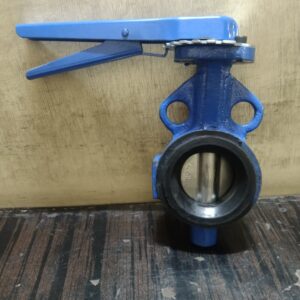
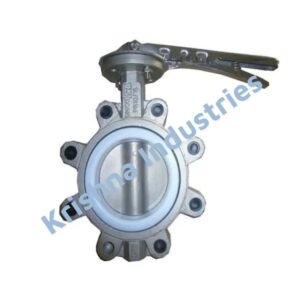
Teflon Lined Butterfly Valve (PTFE seat / SS316 disc) supplier in Ahmedabad, Gujarat. CI (PN10/PN16) and WCB (Class 150 / Class 300) body — SS316 disc — PTFE seat liner — wafer and lug type — DN50 to DN600 —…
Price on Request
Supplier: Krishna Industries (KELOR) – Ahmedabad, Gujarat, India
Established: 2017 | GSTIN: 24AKLPP6499B1ZT | IEC: AKLPP6499B
MOQ: 10 Nos | Body: CI (PN10/PN16) / WCB (Class 150 / Class 300)
Standard: EN 593 / API 609 | Sizes: DN50–DN600
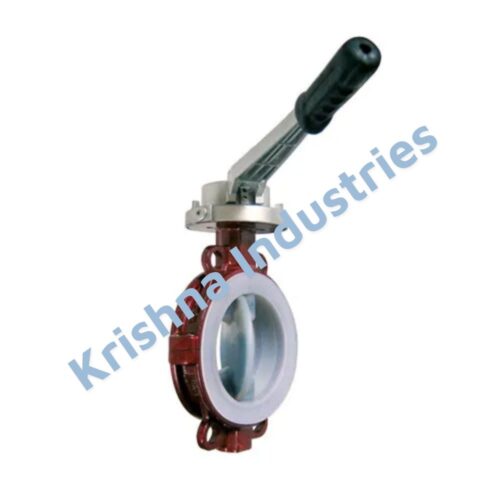
Krishna Industries (KELOR), based in Ahmedabad, Gujarat, is a B2B supplier of Teflon Lined Butterfly Valves — Cast Iron (CI) and WCB cast carbon steel body — PTFE (Teflon) seat liner — SS316 disc — wafer and lug type — PN10, PN16, Class 150, Class 300 — DN50 to DN600 — lever, gear, pneumatic, and electric actuated — EN 593 / API 609 — GST invoice — MOQ 10 Nos — Pan India dispatch from Ahmedabad.
“Teflon lined butterfly valve” is the trade term for a metal-body butterfly valve with a PTFE (polytetrafluoroethylene) seat liner — Teflon being DuPont’s brand name for PTFE. The PTFE seat liner provides chemical resistance at the disc-to-seat sealing interface, making the valve suitable for corrosive chemical, acid, alkali, solvent, and aggressive media service where a standard rubber-seated butterfly valve would be chemically attacked. The key specification decision for Indian chemical plant buyers is body material — CI (cast iron) for standard PN10/PN16 utility and moderate chemical service, or WCB (cast carbon steel) for process plant piping where CI body is excluded by project specification, higher pressure Class 150/300 is required, or ASME B31.3 compliance is needed.
| Feature | CI Body (Cast Iron) PN10 / PN16 |
WCB Body (Cast Carbon Steel) Class 150 / Class 300 |
|---|---|---|
| Material Standard | ASTM A126 Grade B / IS 210 FG260 | ASTM A216 Grade WCB |
| Pressure Rating | PN10 (10 bar) / PN16 (16 bar) | ✅ Class 150 (20 bar at 38°C) / Class 300 (51 bar at 38°C) |
| Weldability | ❌ Not weldable — CI is brittle, cannot be welded to pipe | ✅ Weldable — WCB can be welded into process piping |
| Mechanical Shock | ❌ Brittle — risk of cracking under mechanical shock or vibration | ✅ Ductile — handles mechanical shock and pipeline vibration |
| ASME B31.3 Process Piping | ❌ CI frequently excluded in ASME B31.3 process piping — flammable, toxic, and high-pressure service | ✅ WCB fully accepted in ASME B31.3 process piping |
| EPC Project Acceptance | Accepted for utility and general service piping classes | ✅ Accepted for process, chemical, and hazardous service piping classes |
| Temperature Range (body) | -10°C to +200°C (PTFE seat limits practical max to ~150°C) | ✅ -29°C to +425°C body (PTFE seat limits to ~180°C) |
| Cost | ✅ Lower — CI casting is cheaper | Higher — WCB premium over CI |
| Specify For | General utility, water treatment, HVAC, food and beverage, moderate chemical — PN10/PN16 projects where CI body is acceptable | ✅ Chemical plant, petrochemical, process piping, hazardous service, higher pressure, ASME B31.3 projects, EPC specs requiring CS body |
Rule for Indian chemical plant buyers: If your project specification or piping class document says “CS body” or “carbon steel body” — specify WCB. If it says “CI acceptable” or the service is non-hazardous utility — CI is the more economical choice. When in doubt on a process line, specify WCB.
| Seat Material | Chemical Resistance | Temperature | Specify For |
|---|---|---|---|
| PTFE (Teflon) This product |
✅ Excellent broad chemical resistance — dilute to concentrated acids, alkalis, solvents, oxidising agents, chlorine, most industrial chemicals | -40°C to +150°C (CI body) / +180°C (WCB body) | ✅ Chemical plant, acid service, solvent lines, chlorine dosing, aggressive media, pharmaceutical, food contact — wherever EPDM or NBR is chemically attacked |
| EPDM | Good — water, dilute acid/alkali, steam, ozone — NOT oils, solvents, concentrated oxidising acids | -10°C to +120°C | Water supply, HVAC, fire fighting, irrigation, dilute chemical — most common general utility specification |
| NBR | Good for oil and fuel — NOT acids, ozone, chlorinated solvents | -20°C to +80°C | Oil, fuel, mild hydrocarbon service |
| Viton (FKM) | Excellent — aromatics, chlorinated solvents, aggressive acid — better than PTFE for some solvents | -20°C to +200°C | Aromatic solvent, aggressive chemical where PTFE is attacked or insufficient |
| Parameter | CI Body | WCB Body |
|---|---|---|
| Design Standard | EN 593 / API 609 Category A / BS 5155 | |
| Testing Standard | API 598 / EN 12266 | |
| Face to Face | EN 558 Series 20 (wafer) | ASME B16.10 / EN 558 (wafer) |
| Flange Drilling | EN 1092-2 (PN) | ASME B16.5 (Class 150/300) |
| Body Material | CI ASTM A126 / IS 210 FG260 | WCB ASTM A216 |
| Disc Material | SS316 (standard) / SS304 on request | |
| Seat Liner | PTFE (Teflon) — pressed / bonded into body bore | |
| Stem Material | SS316 / SS410 | |
| Body Style | Wafer (standard) / Lug type | |
| Pressure Rating | PN10 / PN16 | Class 150 / Class 300 |
| Max Temperature (seat) | 150°C (PTFE seat on CI) | 180°C (PTFE seat on WCB) |
| Size Range | DN50 to DN600 (2″ to 24″) | |
| Operation (lever) | DN50 to DN150 standard | |
| Operation (gear) | DN200 and above — standard | |
| Operation (actuated) | Pneumatic / electric — any size | |
| ISO 5211 Pad | Yes — upgradeable to actuator | |
| MOQ | 10 Nos | |
| HSN Code | 84818090 | |
| Chemical | PTFE Seat | Body Recommendation |
|---|---|---|
| Hydrochloric Acid (HCl) — all concentrations | ✅ Excellent | WCB (process line) / CI (utility) |
| Sulphuric Acid (H2SO4) — up to 98% | ✅ Excellent | WCB preferred — process piping |
| Nitric Acid (HNO3) — dilute to moderate | ✅ Excellent | WCB — process piping |
| Sodium Hydroxide (NaOH) — all concentrations | ✅ Excellent | CI or WCB |
| Chlorine (Cl2) / Chlorine Water | ✅ Excellent | WCB — process line |
| Sodium Hypochlorite (NaOCl) | ✅ Excellent | CI or WCB |
| Ferric Chloride (FeCl3) | ✅ Excellent | CI or WCB |
| Acetic Acid | ✅ Excellent | CI or WCB |
| Phosphoric Acid (H3PO4) | ✅ Excellent | WCB preferred |
| Aromatic solvents (toluene, xylene) | ✅ Good | WCB — Viton seat preferred for aromatics |
| Steam (low pressure) | ⚠️ PTFE seat max 150–180°C — verify operating temp | WCB only |
| Food media (acid, alkaline CIP) | ✅ Excellent — FDA compliant PTFE | SS316 body preferred for food contact |
They describe the same construction — PTFE (Teflon) seat liner pressed or bonded into the metal body bore. “Teflon” is DuPont’s registered brand name for PTFE (polytetrafluoroethylene). Both terms refer to a metal-body butterfly valve where the seat sealing surface is PTFE rather than rubber (EPDM or NBR). The disc is stainless steel — it contacts the PTFE seat on closing — the PTFE provides chemical resistance at the sealing interface.
Three reasons. First, ASME B31.3 process piping code and most petrochemical EPC piping specifications exclude cast iron for flammable, toxic, and high-pressure process service — WCB is the minimum acceptable body material. Second, WCB Class 150 provides a higher pressure rating (20 bar at 38°C) than CI PN16 (16 bar). Third, WCB is ductile — it handles mechanical shock and pipeline vibration without cracking. CI is brittle and can fail suddenly under shock loading in process plant environments.
PTFE itself is rated to over 200°C, but the seat liner is bonded or pressed into a metal body — differential thermal expansion between PTFE and the metal body limits the practical service temperature. On CI body, maximum recommended service temperature for the PTFE seat is 150°C. On WCB body, 180°C. Above these temperatures, the PTFE liner can debond from the body, causing seat leakage. For steam service above 150°C, specify a metal-seated high-performance butterfly valve instead.
A fully PTFE-encapsulated disc (SS316 core with PTFE jacket) is available on request for highly aggressive chemical service where SS316 disc is also attacked by the media — concentrated oxidising acids, HF, and certain aggressive solvents. Specify “PTFE encapsulated disc” in your RFQ. Standard supply is SS316 bare disc with PTFE seat liner.
EN 593 is referenced in most Indian private sector EPC project specifications for butterfly valves — default for European and Indian EPC companies. API 609 is required for petrochemical, refinery, and oil and gas projects following American standards — typically US-origin EPC companies or projects with American licensor specifications. Both standards cover resilient-seated butterfly valves — confirm which is required by your project piping specification before ordering.
MOQ is 10 Nos. Project orders for chemical plant, ETP, or process piping — 20 to 200+ Nos across sizes — with project pricing, hydro test reports, MTR, and API 598 test certificates. WhatsApp your size list, body material (CI or WCB), pressure class, and quantity for bulk pricing within 2 hours.
The Teflon Lined Butterfly Valve supplied by Krishna Industries (KELOR) is the correct PTFE-seated butterfly valve for Indian chemical plant, petrochemical, process piping, pharmaceutical, ETP, and aggressive chemical service — CI body (PN10/PN16) and WCB body (Class 150 / Class 300) — PTFE seat liner — SS316 disc — wafer and lug type — DN50 to DN600 — lever, gear, pneumatic, and electric actuated — EN 593 / API 609 — API 598 tested — WCB body for ASME B31.3 process piping compliance and higher pressure Class 150/300 service. GST invoice, Pan India dispatch from Ahmedabad. WhatsApp body material, pressure class, size, and quantity for project pricing within 2 hours.
Reviews
There are no reviews yet.