
EPDM Seat Cast Iron Wafer Butterfly Valve for ETP/STPs
Engineered for the harsh realities of Indian wastewater treatment. Our EPDM seat wafer butterfly valve for ETP/STP applications features a rugged IS 210 Cast Iron body, a highly resilient EPDM liner, and a streamlined disc for maximum flow. The ultimate cost-effective, zero-leakage solution for sewage, sludge, and effluent pipelines.
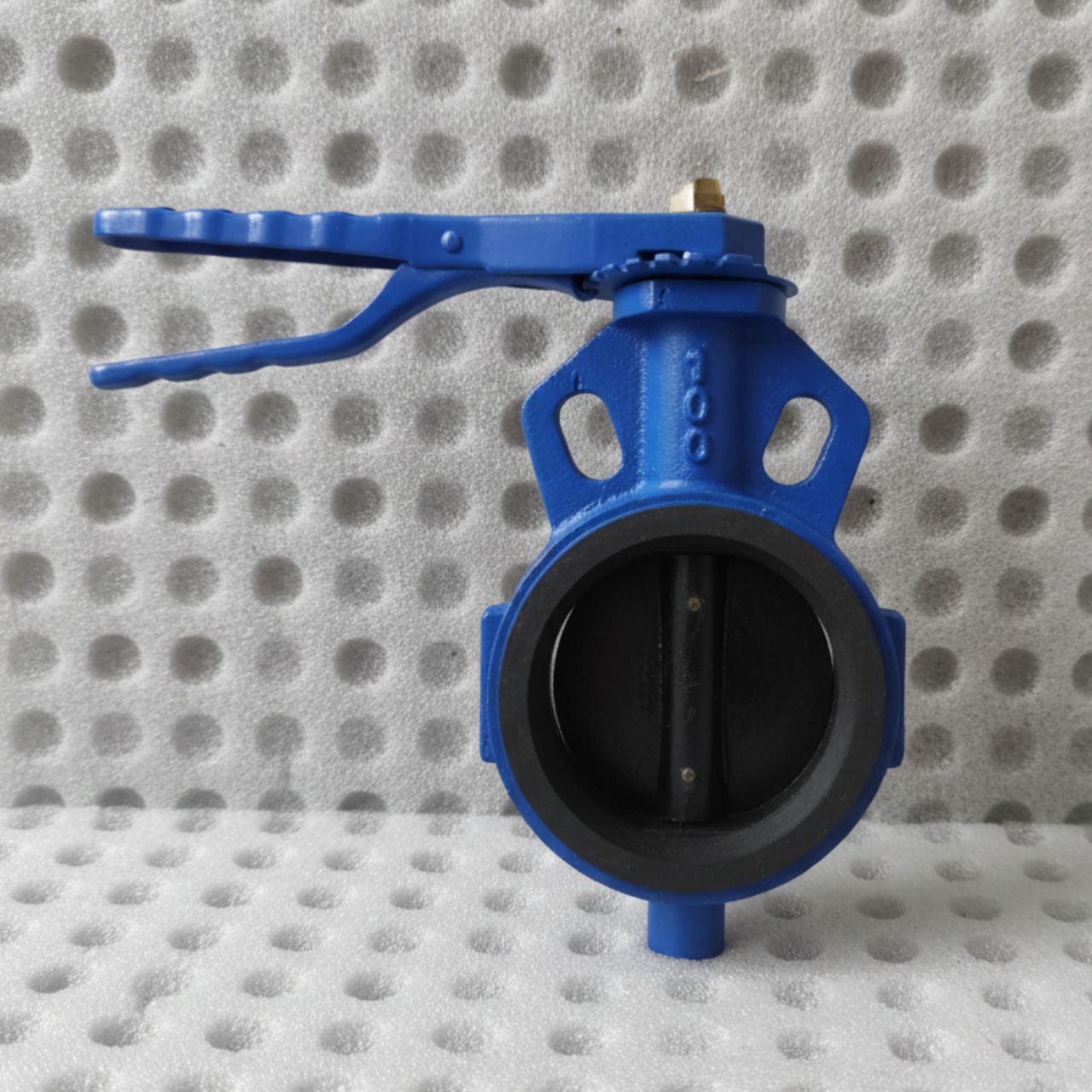
Featured Answer: An EPDM seat wafer butterfly valve is the industry-standard isolation and throttling valve for ETP (Effluent Treatment Plants) and STP (Sewage Treatment Plants). The Cast Iron (IS 210) body provides structural rigidity against water hammer, while the EPDM (Ethylene Propylene Diene Monomer) seat offers superior resistance to sewage, sludge, mild acids, and alkalis. Its wafer design saves 40% space in pump houses, and the fully encapsulated seat ensures zero fugitive emissions and odor leakage.
At-A-Glance Specifications
Contents
- 1. Why EPDM is the Perfect Seat for ETP/STP
- 2. Cast Iron (IS 210) Body Advantages
- 3. Flow Coefficient (Cv) Chart & Pressure Drop
- 4. Face-to-Face Dimensions & PDF Download
- 5. Assembly Video & Seat Replacement Guide
- 6. Applications in Indian ETP/STP/ZLD
- 7. Why Municipal & EPC Contractors Choose KELOR
- 8. Frequently Asked Questions (PAA)
Why EPDM is the Perfect Seat for ETP/STP
In wastewater treatment, the valve seat is the first line of defense against leaks, odor, and environmental contamination. Choosing the wrong elastomer leads to rapid swelling, hardening, and catastrophic failure. Here is why EPDM outperforms NBR, Viton, and PTFE in ETP and STP environments:
- Sewage & Sludge Resistance: EPDM is highly resistant to the biological sludge, suspended solids, and abrasive particles found in raw sewage and aeration tanks.
- Chemical Compatibility: ETPs frequently use lime, ferric chloride, alum, and mild acids/alkalis for coagulation and pH adjustment. EPDM handles these chemicals exceptionally well without degrading.
- Weather & Ozone Resistance: Many STP valves are installed outdoors. EPDM has unmatched resistance to UV radiation, ozone, and weathering, preventing the surface cracking common in NBR valves.
- Bubble-Tight Sealing: EPDM is a highly resilient rubber. It compresses easily around the disc, providing a zero-leakage, bubble-tight shut-off even at low differential pressures, preventing foul odors from escaping the pipeline.
Procurement Warning: Avoid Recycled EPDM
Cheap manufacturers blend recycled rubber into their EPDM seats to cut costs. This results in seats that harden within 6 months and crack under pressure. KELOR uses only 100% virgin, high-tensile EPDM compounded specifically for water and wastewater service, ensuring a 10+ year operational life.
Cast Iron (IS 210) Body Advantages
While Ductile Iron (DI) and Stainless Steel (SS) are popular, Cast Iron (IS 210 FG200/FG260) remains the most logical choice for standard ETP/STP pipelines in India due to its optimal balance of performance and economics.
Cost-Effectiveness
Cast iron is significantly cheaper than DI or SS316. For large-bore pipelines (DN300-DN600) in municipal STPs, using CI bodies can reduce the total valve procurement cost by 30-40% without compromising safety.
Vibration Damping
Cast iron has excellent vibration-damping properties. In pump houses where centrifugal sewage pumps create constant vibration, CI bodies absorb these shocks, preventing fatigue cracks in the valve body.
Rigidity & Water Hammer
IS 210 FG260 provides high tensile strength to withstand the sudden pressure surges (water hammer) caused by rapid pump trips or sudden valve closures in long sewage transmission mains.
Easy Maintenance
Our CI wafer butterfly valves feature a replaceable EPDM seat. When the seat eventually wears out from abrasive sludge, you can replace just the rubber liner in the field without removing the heavy valve body from the pipeline.
Flow Coefficient (Cv) Chart & Pressure Drop
One of the biggest advantages of a wafer butterfly valve is its high flow coefficient (Cv). The streamlined disc creates minimal obstruction, resulting in very low pressure drop. This is critical in ETP/STP plants to reduce the electrical load on large sewage pumps.
Table: Flow Coefficient (Cv) & Estimated Flow Rates| Valve Size (DN) | Flow Coefficient (Cv) | Flow at 1 m/s (m³/hr) | Flow at 2 m/s (m³/hr) | Pressure Drop @ 2 m/s (mbar) |
|---|---|---|---|---|
| DN50 (2″) | 120 | 7 | 14 | 15 |
| DN80 (3″) | 280 | 18 | 36 | 12 |
| DN100 (4″) | 480 | 28 | 56 | 10 |
| DN150 (6″) | 1150 | 63 | 127 | 8 |
| DN200 (8″) | 2100 | 113 | 226 | 7 |
| DN250 (10″) | 3400 | 176 | 353 | 6 |
| DN300 (12″) | 5100 | 254 | 508 | 5 |
| DN400 (16″) | 9200 | 452 | 904 | 4 |
| DN500 (20″) | 14500 | 706 | 1413 | 4 |
| DN600 (24″) | 21000 | 1017 | 2035 | 3 |
Note: Pressure drop values are approximate for a fully open valve (0°). Butterfly valves are not recommended for continuous throttling below 15° open due to high turbulence and cavitation risk.
Face-to-Face Dimensions & PDF Download
KELOR EPDM seat cast iron wafer butterfly valves conform to ISO 5752 Series 20 (short pattern) and API 609 standards. This ensures they fit perfectly between standard DIN, ANSI, and IS flanges without requiring pipeline modifications.
Table: Standard Face-to-Face Dimensions (mm)| Size (DN) | 50 | 80 | 100 | 150 | 200 | 250 | 300 | 400 | 500 | 600 |
|---|---|---|---|---|---|---|---|---|---|---|
| Face-to-Face (mm) | 43 | 46 | 52 | 56 | 60 | 68 | 78 | 102 | 127 | 140 |
| Weight Approx (kg) | 1.5 | 2.5 | 3.5 | 6.0 | 9.0 | 14.0 | 20.0 | 38.0 | 60.0 | 85.0 |
📄 Download Complete PDF Dimensions
Get the full technical data sheet including detailed GA drawings, bolt circle dimensions, and torque data for all DN50-DN600 sizes.
Email to Get PDF📊 Download Flow/Cv Calculation Sheet
Download our Excel calculator to determine exact pressure drop, Cv, and pump energy savings for your specific ETP/STP pipeline design.
Email to Get Excel SheetAssembly Video & Seat Replacement Guide
Understanding how our valves are built ensures you get the maximum lifespan out of them. Watch our factory assembly video to see the precision engineering behind KELOR’s EPDM seat cast iron wafer butterfly valves.
🎥 Watch Factory Assembly & Testing Video
See how we cast the IS 210 body, machine the disc, encapsulate the virgin EPDM seat, and perform 100% API 598 hydrostatic testing before dispatch.
Get Video Link via WhatsAppField Seat Replacement Guide
One of the biggest cost-saving features of our valve is the replaceable seat. If the EPDM liner wears out due to highly abrasive sludge, you do not need to buy a new valve.
- Isolate the Line: Close adjacent isolation valves and drain the pipeline section.
- Remove Bolts: Loosen and remove the flange bolts on one side of the wafer valve.
- Extract Valve: Carefully pull the valve body out of the flange gap.
- Remove Old Seat: Cut and peel out the old EPDM liner. Clean the body groove thoroughly.
- Install New Seat: Lubricate the new EPDM seat with silicone grease. Stretch and seat it evenly into the body groove, ensuring the bolt holes align perfectly.
- Reinstall: Place the valve back between the flanges (ensure disc is closed), insert bolts, and tighten in a star pattern.
Applications in Indian ETP/STP/ZLD
Sewage Treatment Plants (STP)
Used in raw sewage inlet lines, aeration tank recirculation, clarifier outlets, and sludge return lines. The EPDM seat handles the abrasive nature of raw sewage and biological sludge effectively.
Effluent Treatment Plants (ETP)
Deployed in chemical dosing lines (lime, alum, ferric chloride), equalization tanks, and treated water discharge. EPDM resists the mild acids and alkalis used in coagulation and neutralization.
Zero Liquid Discharge (ZLD)
Used in the initial stages of ZLD systems (pre-RO and pre-evaporator). For highly concentrated brine in later stages, we recommend upgrading to SS316/PTFE configurations.
Municipal Water & Jal Jeevan Mission
The standard specification for municipal water distribution, reservoir inlet/outlet, and pump station isolation under AMRUT and Jal Jeevan Mission projects across India.
Why Municipal & EPC Contractors Choose KELOR
Strict IS 210 Compliance
We use only virgin IS 210 FG200/FG260 cast iron. We do not use recycled scrap metal, ensuring high tensile strength, zero porosity, and resistance to sudden water hammer shocks.
100% API 598 Hydrostatic Testing
Every single valve is tested for shell integrity (1.5x PN16) and seat leakage (1.1x PN16). We guarantee zero leakage. Test certificates are included with every shipment.
Complete Tender Documentation
We support EPC contractors with full QA/QC dossiers: Material Test Certificates (MTC), GA drawings, third-party inspection coordination (TUV/BV/Lloyd’s), and GST compliance.
PAN India Fast Dispatch
Standard EPDM seat CI wafer butterfly valves (DN50 to DN300) are kept in bulk stock at our Ahmedabad warehouse. Dispatch within 3-5 working days via VRL, TCI, or Transport Nagar.
Commercial & Ordering Details
Need Bulk Pricing for Your ETP/STP Project?
Share your BOQ, size list, and delivery location. We will provide the most competitive EPDM seat cast iron wafer butterfly valve pricing in India within 2 hours.
WhatsApp for Bulk QuoteRelated Water & Wastewater Valves
Frequently Asked Questions (PAA)
1. Why is EPDM the best seat material for ETP and STP butterfly valves?
2. What is the flow coefficient (Cv) of a cast iron wafer butterfly valve?
3. Can the EPDM seat be replaced without removing the valve from the pipeline?
4. Do you supply these valves for government STP/ETP tenders in India?
5. How do I download the PDF dimensions and assembly video?
Specify KELOR ETP/STP Valves
IS 210 certified cast iron, 100% hydrostatically tested, and dispatched PAN India.
- IS 210 FG200/FG260 Virgin Cast Iron
- 100% Virgin EPDM (Sewage Resistant)
- High Flow Cv / Low Pressure Drop
- API 598 Tested with MTC Provided
- 3-5 Day Dispatch from Ahmedabad